

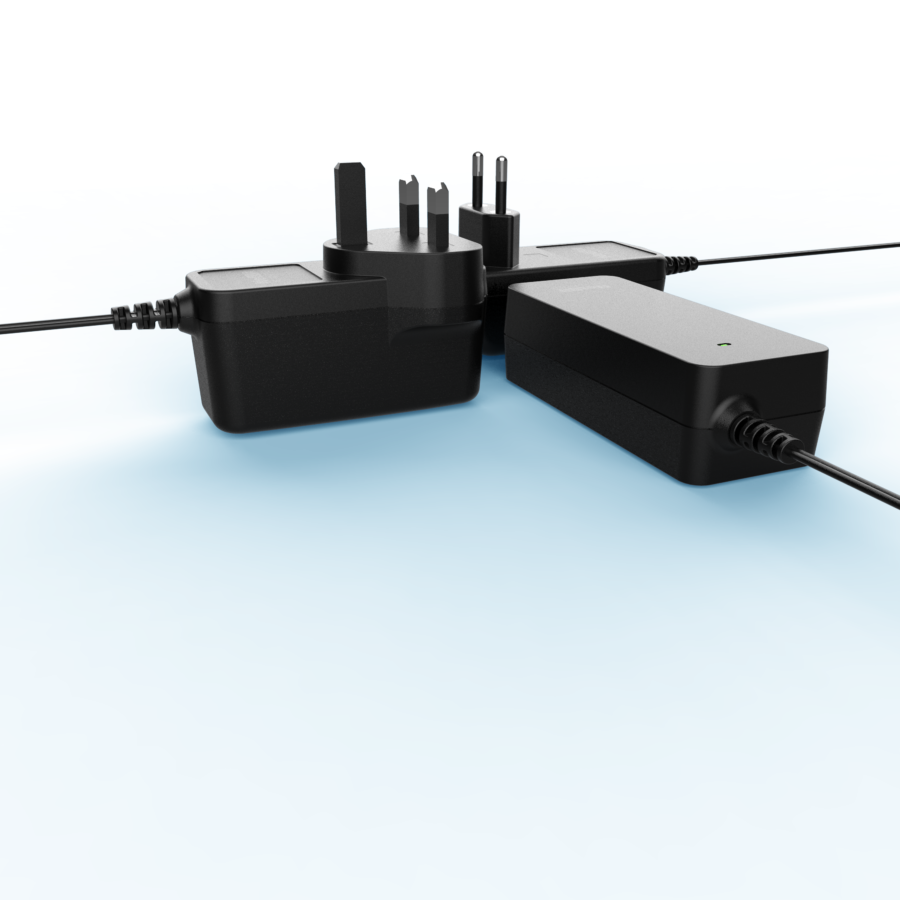
In the world of power supply units (PSUs), the interplay between current and voltage significantly impacts costs. Generally, high current with low voltage is always more expensive compared to high voltage with low current, even when delivering the same power level. This article explores why this is the case and the specific factors driving up costs in high-current, low-voltage scenarios.
Current and Its Impact on PSU Costs
High current necessitates the use of higher-rated components, which are inherently more expensive. This includes larger and more robust conductors, more substantial insulation, and components capable of handling increased thermal loads. These components are essential to ensure safe and reliable operation under high current conditions. As a result, the overall cost of manufacturing PSUs rises with the demand for higher current.
Voltage Regulation Challenges
Voltage regulation at lower levels, such as 5V, presents more challenges and higher costs compared to higher levels like 12V. Maintaining precise voltage regulation at 5V requires more sophisticated circuitry and higher precision components. These additional complexities contribute to increased production costs. In contrast, regulating higher voltages like 12V is comparatively simpler and less expensive.
Efficiency Considerations
Achieving high efficiency in PSUs operating at low voltages is more challenging than at higher voltages. Lower voltage systems suffer more from resistive losses, which means more energy is dissipated as heat rather than being efficiently converted to the desired output. To mitigate these losses, designers must employ advanced techniques and higher-quality materials, further driving up the cost of the PSU.
When the voltage is lowered in a DC cable, it requires significantly more copper to transmit the same amount of power effectively. For instance, at 5V output, the current is 2.4 times higher than at 12V for the same power level. This increased current leads to a substantial rise in power dissipation, as the loss in the cable is proportional to the square of the current. Specifically, the losses would be 5.76 times greater for the same length of cable. To compensate for this increased energy loss and maintain efficiency, the cable’s resistance must be reduced, which is typically achieved by incorporating more copper. This need for additional copper not only increases the physical size and weight of the cable but also raises material costs and impacts overall efficiency. Therefore, careful consideration must be given to voltage levels in power delivery systems to balance efficiency, cost, and practicality.
Conclusion
In summary, the higher costs associated with high current and low voltage in PSUs stem from the need for higher-rated components, more complex voltage regulation, and the challenges of achieving efficiency. Manufacturers must balance these factors when designing PSUs to meet specific application requirements, often leading to increased expenses for low-voltage, high-current systems. Understanding these cost drivers helps in making informed decisions when selecting or designing power supplies for various applications.