

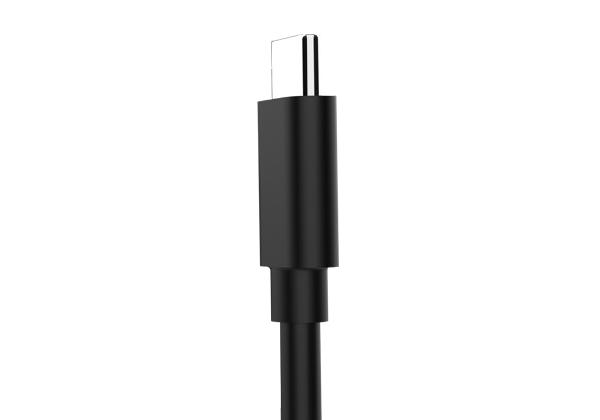
Standardisation where it makes sense. Differentiation where it matters.
The evolution of CPE power supply design
For years, CPE power supplies have been built around highly specific requirements. Different applications, power levels, regional plug types, and OEM priorities have all shaped a world of customised solutions. This approach has allowed manufacturers to design power architecture around the exact needs of the device, the market, and the customer experience they want to deliver.
USB C introduces a new baseline
USB C is undoubtedly changing the conversation, but it does not automatically mean every part of the industry will move toward complete uniformity.
Some customers will absolutely push for greater standardisation, particularly where interoperability, regulatory compliance, and deployment simplicity are priorities. In these cases, USB C can help create a more consistent baseline that reduces complexity and aligns with changing market expectations.
But standardisation in connector type does not mean the end of differentiation.
A standard connector does not mean a standard product
While the connector itself may become more universal, brands will still want to protect their own design language, customer ecosystems, and competitive advantages.
That means companies can embrace USB C where it delivers practical value while still maintaining distinction through:
- Industrial design
- Mechanical format
- Customer specific deployment strategies
- Tailored power delivery profiles
- Added functionality through PSU to CPE communication
This is where the opportunity becomes far more interesting.
From power supply to intelligent platform
USB C is not just about delivering power. It also creates new opportunities for communication between the PSU and the connected CPE device.
For manufacturers that want to go beyond compliance, this opens the door to building additional value into the power supply itself. Instead of becoming a generic commodity, the PSU can become a smarter part of the wider product ecosystem through:
- Device authentication
- Performance monitoring
- Diagnostic insight
- Predictive maintenance
- Intelligent power management
- Enhanced operator visibility
In other words, while some parts of the market may standardise around the connector, innovation can still thrive in how that connector is used.
The real future is balance
The industry is unlikely to become fully standardised or fully bespoke. The more realistic path is a hybrid one.
USB C may become the common foundation, especially where customers demand simplicity, but many brands will still look for ways to preserve what makes their products unique.
The connector may be shared. The value built around it does not have to be.
Redefining CPE power
The real transformation is not that one connector rules them all.
It is that one connector creates a shared starting point, while still leaving room for innovation, intelligence, and industry specific differentiation.
Standard where it benefits the customer. Custom where it creates greater value.