
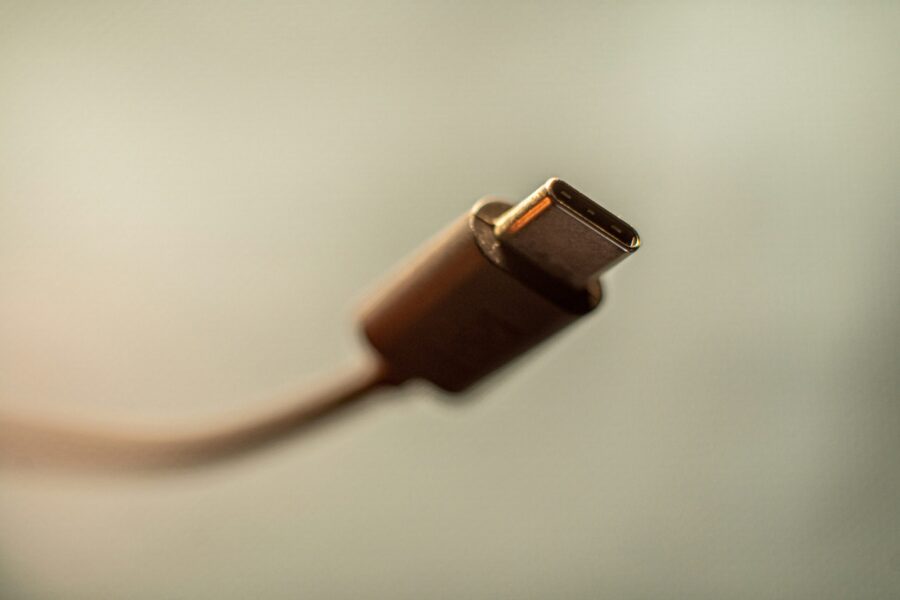
The transition to USB-C standardization, while hailed as a significant technological advancement, presents several challenges and negative impacts for the power supply industry. These range from high implementation costs to the potential for increased electronic waste and accelerated obsolescence. This article delves into the negative implications of USB-C standardization for the power supply sector and explores the potential hurdles that the industry must overcome.
Costs
One of the immediate drawbacks of USB-C standardization is the increased cost of implementation. For applications below 15W, the extra costs are only associated with the type c connector and as volumes continue to increase, the pricing gap when compared to a traditional DC jack will continue to reduce. Above 15W, both the power supply and the CPE that it is powering need to be equipped with USB-PD ICs and associated circuits, leading to an incremental cost of approx $4!
Increased E-Waste
Although standardisation aims to reduce e-waste in the long term, the short-term impact can be contrary. The rapid obsolescence of non-USB-C products will lead to a surge in electronic waste as consumers and businesses discard outdated chargers and cables. This spike in e-waste presents environmental challenges and contradicts the sustainability goals that standardization seeks to achieve.
Accelerated Obsolescence
USB-C standardization could cause accelerated obsolescence in the CPE industry because it necessitates a shift from older power and connector technologies to the new USB-C standard. This transition could mean that existing CPE devices with non-USB-C connectors and power specifications will quickly become outdated. Manufacturers and consumers might need to replace these older devices sooner than planned, leading to increased electronic waste and financial losses from unsold inventory. Additionally, the need for new components and compliance with USB-C standards could strain supply chains and raise production costs, further hastening the obsolescence of current CPE equipment.
Mobile – CPE Interoperable Challenge
USB-C has become a popular standard for charging mobile devices due to its versatility and ability to deliver high power levels. However, despite its advanced features, USB-C chargers designed for mobile devices are generally not suitable for Customer Premises Equipment (CPE), such as modems, routers, and set-top boxes. This incompatibility is due to several technical and functional differences between mobile devices and CPE equipment. CPE devices require specific and stable power levels that the USB-C chargers cannot provide. Additionally, CPE equipment often uses different connector types, like barrel jacks, rather than the USB-C connectors used by mobile devices. The operational characteristics also differ; CPE equipment needs a continuous and reliable power supply, whereas mobile devices can handle intermittent charging with built-in power management systems. These factors, along with the need for more durable and robust power solutions for CPE, make USB-C chargers for mobile devices incompatible with CPE requirements. In particular, differences in wire gauge within the cables themselves can have a large impact on dynamic regulation, so if a cable or power supply designed for mobile applications is used together with a set-top box, then changes in current draw could lead to the voltage dropping below the requirements of the USB-C standard and also, below the level required for HDMI in a set-top application.
Conclusion
In conclusion, while USB-C standardisation could bring benefits to the mobile device industry, it would have an inflationary effect in the CPE space. It could also accelerate the obsolescence of existing CPE devices. This rapid transition imposes significant financial, operational, and environmental challenges on manufacturers, suppliers, and consumers. The industry must navigate these obstacles carefully, balancing the drive for innovation with the need to manage the practical implications of such a sweeping change. Effective strategies for mitigating electronic waste, supporting consumers through the transition, and ensuring product level compatibility and supply chain resilience will be crucial in managing the negative impacts of USB-C standardization on the CPE industry.