

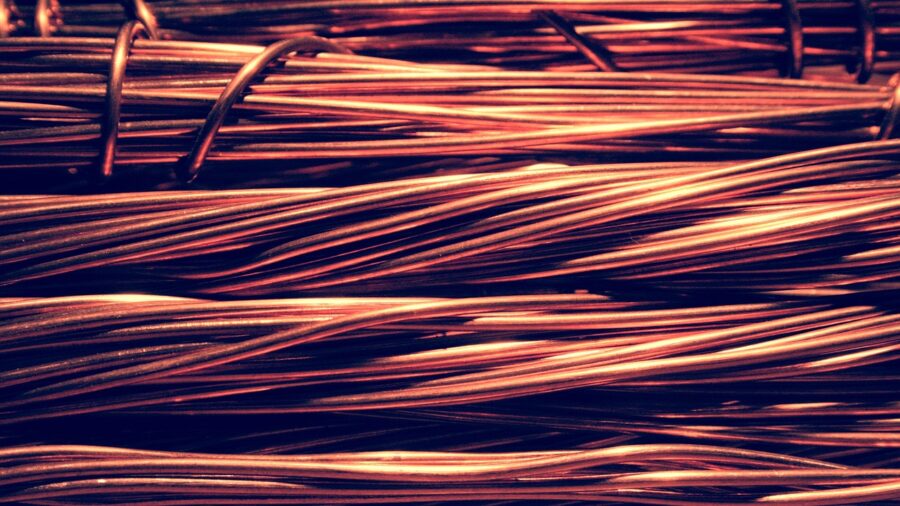
In a recent webinar, Dell emphasized their commitment to sustainability by incorporating recycled copper into their power supply unit (PSU) cables. This initiative forms part of their broader environmental strategy to minimize the use of new raw materials while maintaining product quality. Given this growing focus on eco-friendly materials, the question arises: can NetBit follow their lead and adopt recycled copper?
Current Status at NetBit
After consulting with our suppliers, we found that, for the time being, we exclusively use new copper in our PSU cables. This decision is rooted in quality assurance, as new copper offers superior conductivity and durability, which are critical in ensuring reliable performance for power supplies. The technical demands of PSU cables require materials that meet stringent standards, and currently, new copper is the preferred choice for guaranteeing product quality. However, as sustainability practices evolve, there is potential for this to change.
New vs. Recycled Copper: A Comparison
Copper is essential for electronics, especially PSUs, due to its excellent conductivity. Global copper demand is growing, expected to rise by 2-3% annually. In 2023, 35% of the world’s copper came from recycled sources, significantly reducing energy use and CO2 emissions by up to 85% compared to new copper (International Copper Study Group, International Copper Association)
However, while recycled copper has clear environmental advantages, its use in high-performance components like PSU cables is still being evaluated. New copper currently offers better consistency in conductivity and fewer impurities, ensuring that power supplies function optimally. As technology advances, it’s possible that recycled copper could become more refined, potentially matching the quality of new copper for specialized applications.
The Future Outlook
As the demand for more sustainable electronics continues to grow, the conversation around recycled copper in PSU cables will likely evolve. While new copper remains the standard for performance and quality, ongoing innovations in material processing may enable the broader use of recycled copper in the future. This shift could lead to reduced costs and lower environmental impact, but the transition will depend heavily on advancements in refining recycled copper to meet high-quality standards.
In the meantime, keeping a close watch on supplier capabilities and developments in copper recycling technologies will be essential in determining when and how this transition might occur without compromising the quality and reliability of PSU cables.
Sources: