
What is E-Waste?
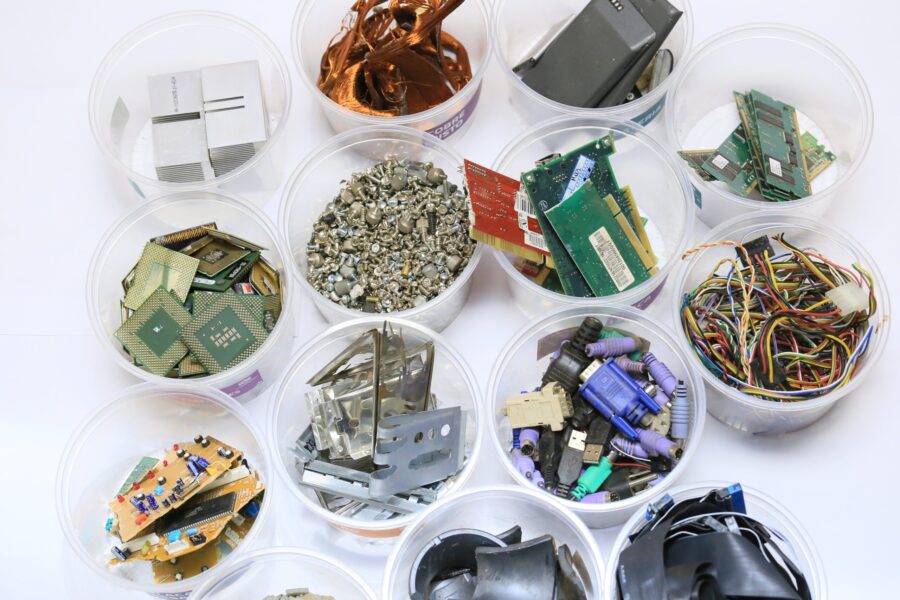
E-Waste relates to the disposal of discarded electrical or electronic devices and appliances. From large household appliances (washing machines, stoves) to IT and telecommunications equipment (laptops, printers) as well as consumer equipment (video cameras, lamps, toasters, etc).
It’s unbelievable to think that in 2019, the UN reported that a staggering 53.6Mt of e-waste was generated. Moreover, according to the European Parliament, “E-waste is the fastest growing waste stream in the EU, and less than 40% is recycled.”
Why does it matter?
With a huge demand for new products, much of which is being fuelled by built-in obsolescence (technological innovation driving shorter product life cycles), it’s never been more important to consider how electronic disposal impacts the environment.
Furthermore, electronics contain valuable elements including gold, silver, copper, platinum, aluminium, and cobalt. When they are disposed of without recycling, we are throwing away precious materials. We can enhance efficiency by using recycled materials, as opposed to consuming new ones.
We also need to consider protecting human and environmental health by keeping such devices out of landfills. Another option is repurposing through recovering parts within the devices that still have value and providing manufacturers with recycled components or materials that can be used to make new products.
The World Health Organization (WHO), states that health risks could be a result of direct contact with toxic materials that emit from e-waste, including minerals such as lead, cadmium, chromium, brominated flame retardants (BFRs), or polychlorinated biphenyls (PCBs). Inhaling the toxic fumes poses danger as well as the accumulation of chemicals in soil, water, and food. We are additionally putting land and sea animals in danger’s way.
What are we NetBit doing to combat this?
NetBit is looking into how e-waste disposal works across the areas where our products are geographically deployed and investigating future options to ensure that our power supplies can be disposed of responsibly after their life in the field, and, wherever possible, appropriate recycling of the relevant materials to contribute to the circular economy.
Conclusion
Keep up to date on our latest eco-friendly developments for CPE power supplies at sales@netbit.com or visit our dedicated web page here.
Follow us:
References
https://www.ewaste1.com/what-is-e-waste